

Preventive Dentistry & Early Detection
Dental Exams and Check-Ups in Whittier, CA
Routine visits help protect your smile by finding problems early and keeping your care on track.
Regular check-ups are one of the simplest ways to stay ahead of tooth decay, gum disease, and other oral health concerns. At California Dental Group Whittier, patients receive thorough evaluations, digital X-rays when needed, and guidance tailored to their smile. With consistent preventive care, it is often easier to avoid bigger, more costly dental problems later on.
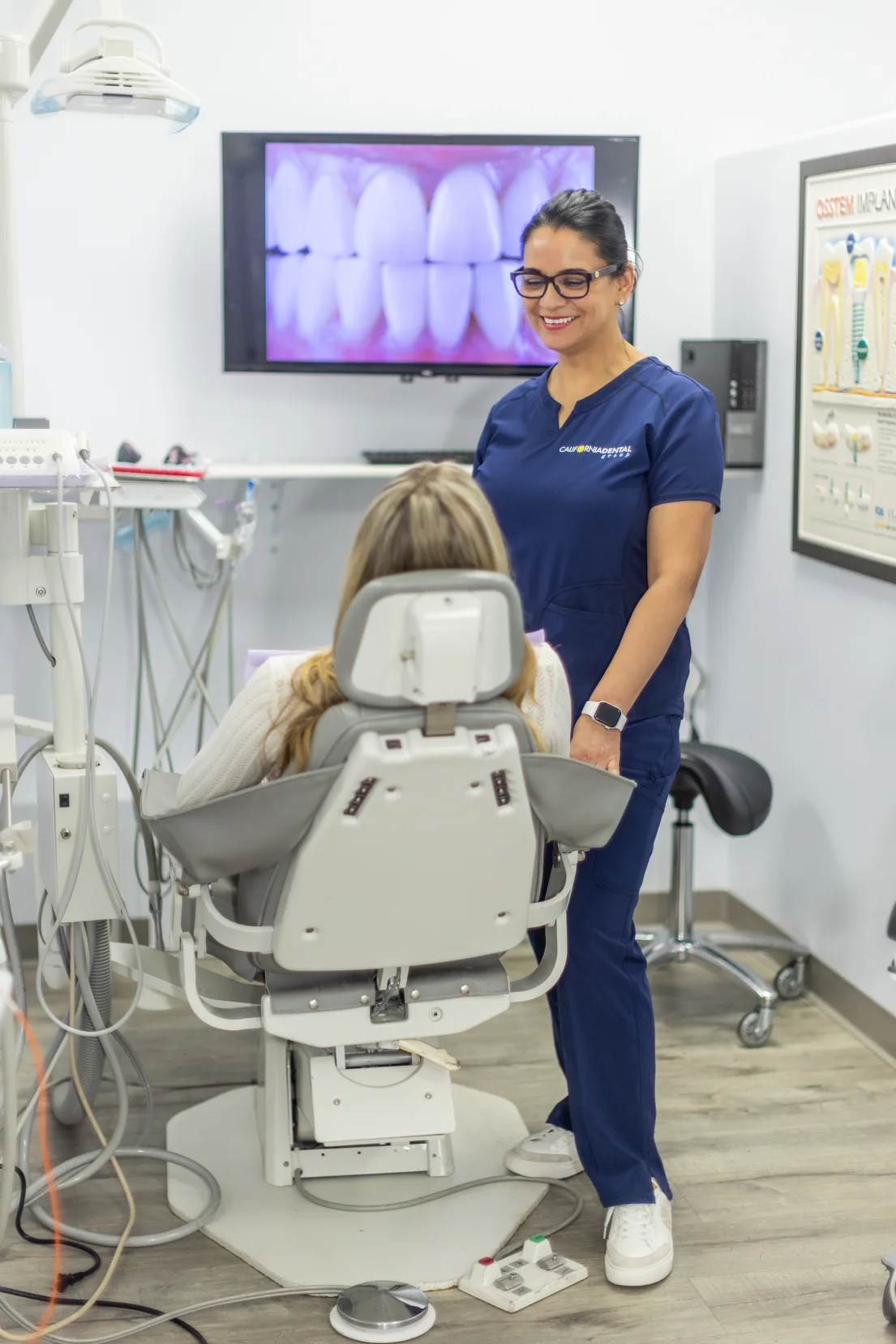
Boosting Confidence and Smiles with Expert Care
Dental Exams and Check-Ups for a Healthier Smile
Dental exams and check-ups give you a complete picture of your oral health, not just a quick look at your teeth. During these visits, your dentist checks for cavities, gum inflammation, oral cancer warning signs, bite concerns, and changes that may affect your long-term comfort, function, and overall wellness. For patients in Whittier, routine exams are an important part of keeping treatment conservative, proactive, and easier to manage.
Why routine exams matter
Many dental problems begin quietly. A small cavity, early gum disease, or a worn restoration may not cause pain right away, but it can worsen over time if left untreated. Regular visits help identify those issues sooner, when care is typically simpler and more affordable.
- Early cavity detection Spotting decay early may help you avoid more extensive restorative treatment later.
- Gum health monitoring Exams can reveal early signs of gingivitis or periodontal concerns before they become more serious.
- Oral cancer screening A careful review of the soft tissues supports early identification of unusual changes.
- Restoration checks Crowns, fillings, bridges, and other dental work are evaluated for wear, damage, or leakage.
What to expect during your appointment
Your visit is designed to be thorough, efficient, and informative. Your dentist will examine your teeth, gums, bite, and surrounding oral structures, then discuss any findings and recommended next steps. Digital X-rays may be taken to evaluate areas below the surface or between teeth that cannot be seen during a visual exam alone.
- Digital X-rays to help detect decay, bone loss, and other hidden concerns
- Evaluation of teeth, gums, bite alignment, and existing dental restorations
- Screening for oral cancer and other soft-tissue abnormalities
- Personalized recommendations for home care and future treatment, if needed
How often should you schedule check-ups?
For most patients, dental exams and check-ups every six months are recommended. Some people may benefit from more frequent visits, especially if they have a history of gum disease, frequent cavities, heavy tartar buildup, or ongoing restorative needs. Your dentist can recommend a schedule based on your oral health, risk factors, and goals.
Preventive care that supports long-term health
Routine exams do more than protect your teeth. They also help support comfortable chewing, fresh breath, healthy gums, and better awareness of changes in your mouth over time. Staying consistent with check-ups can make future care more predictable and help you maintain a healthier smile with fewer surprises.
If it has been a while since your last visit, scheduling an exam is a smart next step. A complete evaluation can help you understand where your oral health stands today and what you can do to keep your smile strong in the months and years ahead.
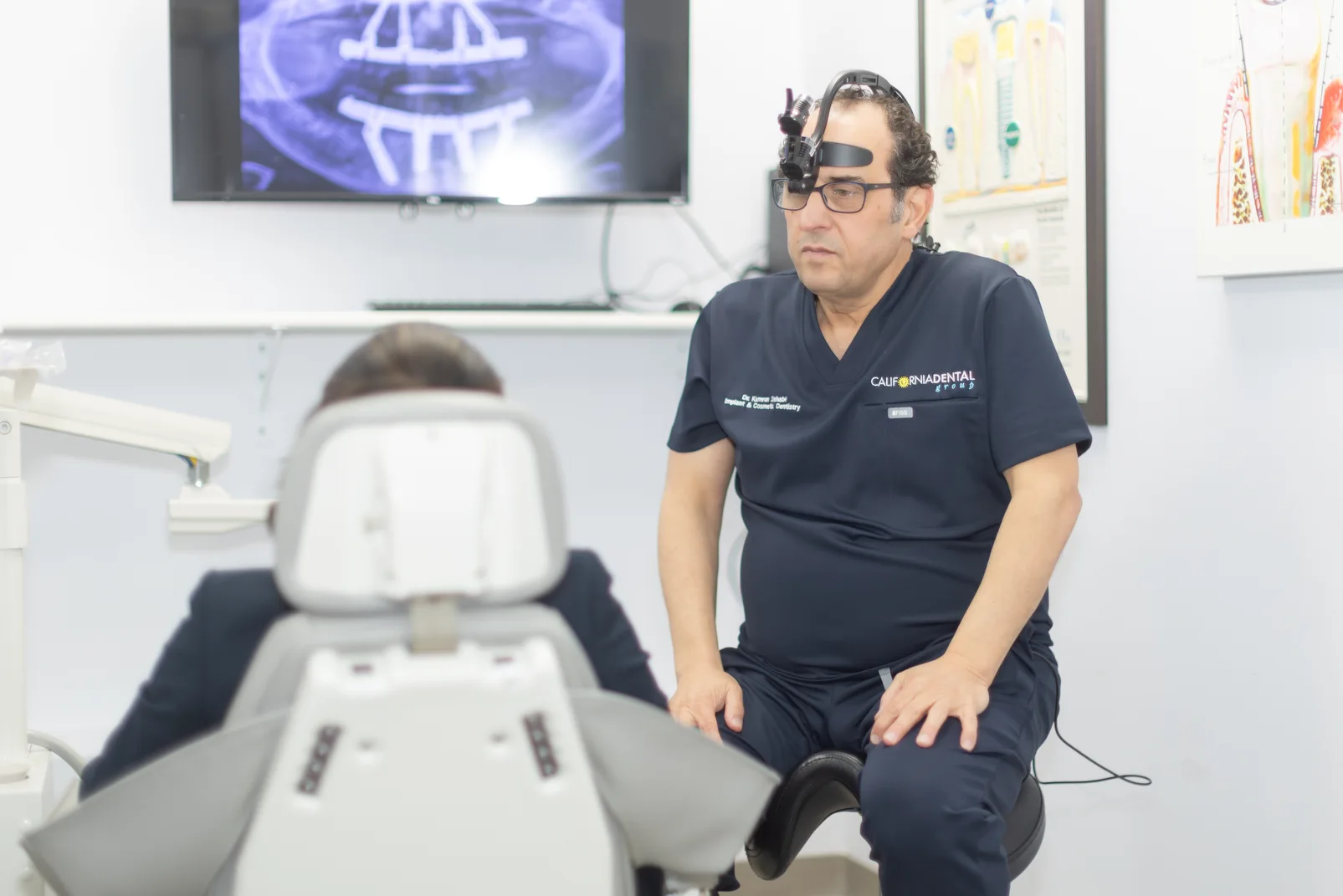
Dental Exams and Check-Ups FAQ’s
- What is included in a dental exam and check-up?
- A dental exam and check-up usually includes a review of your teeth, gums, bite, soft tissues, and any existing dental work. Digital X-rays may also be taken when needed to check for problems that are not visible during the clinical exam.
- How often should I have a dental check-up?
- Most patients benefit from check-ups every six months. Some may need visits more often based on gum health, cavity risk, medical history, or ongoing dental treatment.
- Are dental X-rays taken at every visit?
- Not always. X-rays are recommended based on your oral health history, symptoms, risk factors, and how long it has been since your last images. They are used when they can provide important diagnostic information.
- Why are dental exams important if my teeth feel fine?
- Many dental issues begin without obvious pain or visible symptoms. Exams can detect small cavities, gum inflammation, bone loss, and other concerns early, before they become more complicated to treat.
- Do dental exams include an oral cancer screening?
- Yes. A routine exam often includes screening the lips, tongue, cheeks, gums, and other oral tissues for unusual changes. Early detection is important when evaluating any suspicious area.
- Will my dentist check old fillings or crowns?
- Yes. Existing restorations are typically examined for wear, cracks, poor fit, or signs of leakage. This helps identify problems before they lead to discomfort or additional damage.
- Are check-ups different for patients with gum disease?
- They can be. Patients with a history of gum disease may need closer monitoring and more frequent visits to help control inflammation, track pocketing, and protect long-term gum and bone health.
- What if I have not had a dental exam in years?
- That is okay. A comprehensive check-up can help assess your current oral health and identify any concerns that need attention. From there, your dentist can outline the most appropriate next steps for your situation.
- Do dental exams hurt?
- Most dental exams are comfortable. If an area is tender or sensitive, let your dental team know so the evaluation can be adjusted and your comfort can be prioritized.
- How do I get started?
- Scheduling a dental exam and check-up is the first step. A preventive visit can help you catch problems early, understand your treatment needs, and stay on track with a healthier smile.
