

Comfort-Focused Dental Care
Tooth Extractions in Whittier, CA
When a tooth cannot be saved, gentle extraction can protect your comfort and oral health.
Although saving natural teeth is always the goal, there are times when removing a tooth is the healthiest option. At California Dental Group Whittier, tooth extractions are performed with careful planning, modern techniques, and a focus on patient comfort. Removing a severely damaged or problematic tooth can relieve pain, prevent infection from spreading, and help protect the rest of your smile.

Boosting Confidence and Smiles with Expert Care
Tooth Extractions to Protect Your Oral Health
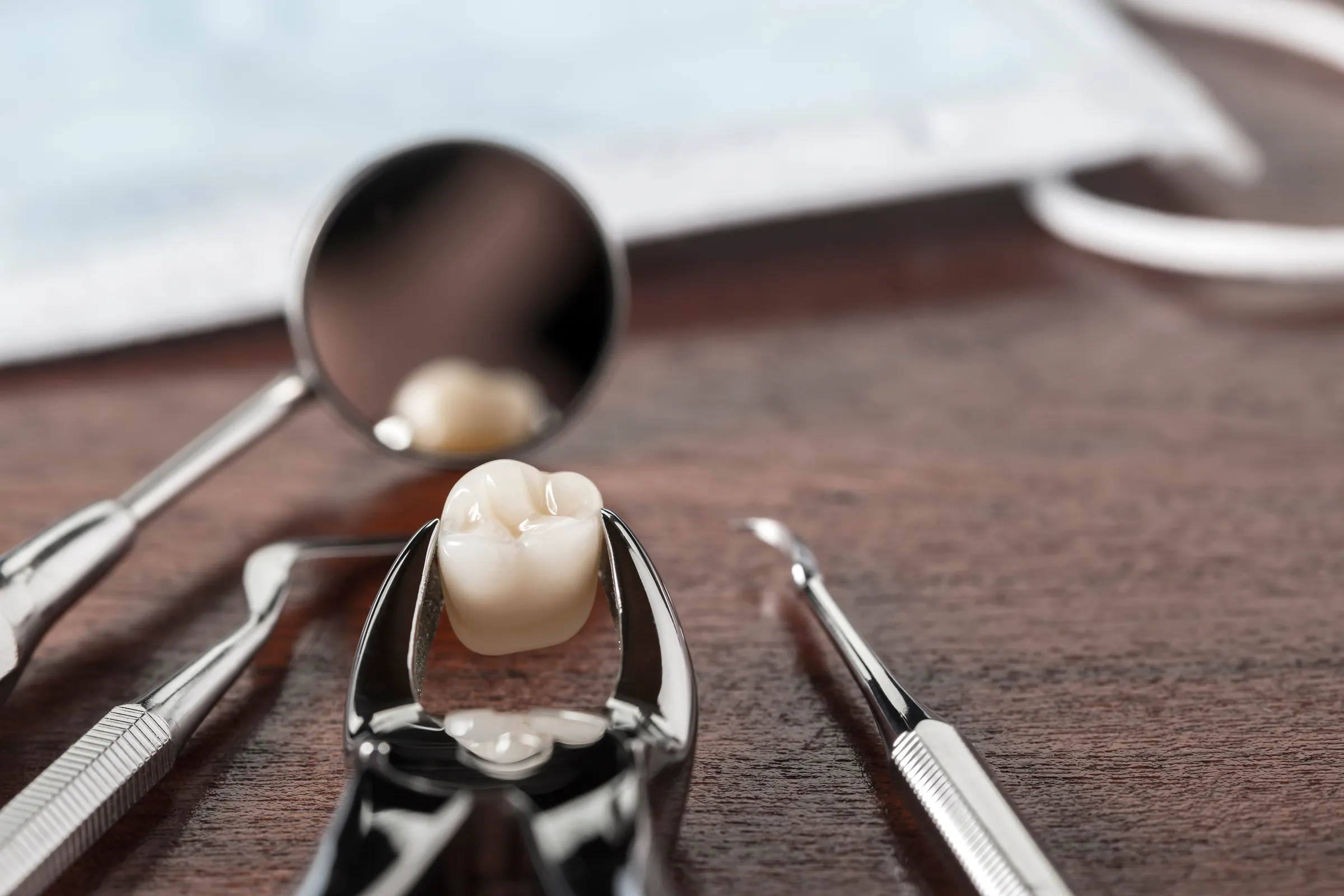
A tooth extraction may be recommended when a tooth is too damaged, infected, or problematic to repair. While the idea of removing a tooth can sound intimidating, modern dental techniques make the procedure straightforward and comfortable for most patients. In Whittier, extractions are performed with careful attention to minimizing discomfort and supporting a smooth recovery.
When a tooth extraction may be necessary
Your dentist will always evaluate whether a tooth can be saved with treatments such as fillings, crowns, or root canal therapy. However, in some situations removing the tooth may be the best option for preventing further complications and protecting surrounding teeth and gums.
- Severe tooth decay When a tooth is too damaged to restore, extraction may prevent infection from spreading.
- Impacted wisdom teeth Wisdom teeth that cannot erupt properly can cause pain, swelling, and damage to neighboring teeth.
- Overcrowding In some orthodontic cases, removing a tooth creates space to improve alignment.
- Dental trauma Teeth that are badly fractured or injured may need to be removed if they cannot be repaired.
What happens during a tooth extraction?
Before the procedure begins, the area around the tooth is numbed with local anesthesia to keep you comfortable. Once the tooth and surrounding tissues are fully numb, the dentist carefully loosens and removes the tooth using specialized instruments designed to minimize trauma to the surrounding bone and gum tissue.
- Local anesthesia to numb the treatment area
- Gentle techniques to loosen and remove the tooth safely
- Sedation options may be available for patients with dental anxiety
- Post-procedure instructions to support proper healing
Healing and recovery after an extraction
Most patients recover comfortably within a few days. After the procedure, you will receive instructions to help protect the extraction site and encourage healing. Following these guidelines can reduce the risk of complications and help you feel better sooner.
- Managing swelling Applying a cold compress during the first 24 hours can help reduce inflammation.
- Soft food diet Eating softer foods allows the extraction site to heal without irritation.
- Proper rest Avoid strenuous activity during the initial recovery period.
- Oral care guidance Gentle hygiene helps keep the area clean while protecting the healing tissue.
Replacing a missing tooth
After an extraction, replacing the missing tooth is often recommended to maintain proper bite alignment and prevent nearby teeth from shifting. Options may include dental implants, bridges, or other restorative solutions depending on your needs.
If you are experiencing severe tooth pain, infection, or damage, scheduling an evaluation can help determine whether a tooth extraction is necessary and what the next steps should be to restore your oral health.
Tooth Extractions FAQ’s
- When is a tooth extraction necessary?
- An extraction may be recommended if a tooth is severely decayed, infected, fractured, impacted, or causing overcrowding. Your dentist will always evaluate whether the tooth can be saved before recommending removal.
- Does a tooth extraction hurt?
- The procedure itself is typically comfortable because local anesthesia is used to numb the area. You may feel pressure during the extraction, but sharp pain is uncommon.
- How long does it take to recover from a tooth extraction?
- Most patients begin to feel better within a few days. Full healing of the gum tissue can take a couple of weeks, depending on the complexity of the extraction.
- What should I eat after a tooth extraction?
- Soft foods such as yogurt, soup, mashed potatoes, smoothies, and scrambled eggs are usually recommended for the first few days to avoid irritating the extraction site.
- What is a dry socket?
- A dry socket occurs when the protective blood clot at the extraction site becomes dislodged too early. Following your dentist’s post-care instructions can help reduce this risk.
- Can I brush my teeth after an extraction?
- You can continue brushing your teeth, but you should avoid brushing directly over the extraction site for the first few days to allow proper healing.
- Will I need to replace the extracted tooth?
- In many cases, replacing a missing tooth is recommended to maintain proper bite alignment and prevent neighboring teeth from shifting. Options may include dental implants, bridges, or dentures.
- How long does a tooth extraction procedure take?
- Simple extractions often take less than an hour. More complex cases, such as impacted teeth, may require additional time depending on the situation.
- Are wisdom teeth extractions different from regular extractions?
- Yes. Wisdom teeth may require a more complex procedure if they are impacted or partially erupted. Your dentist will review imaging and determine the best approach for removal.
- How do I know if I need a tooth extraction?
- If you are experiencing severe tooth pain, swelling, infection, or damage, a dental evaluation can determine whether extraction or another treatment option is the best solution.
