

Restorative Dental Care
Dental Fillings in Whittier, CA
Tooth-colored fillings repair cavities and restore strength while keeping your smile natural-looking.
Cavities and minor tooth damage can weaken a tooth and lead to more serious problems if left untreated. At California Dental Group Whittier, dental fillings are used to remove decay and restore the structure of the tooth using durable, tooth-colored materials. These modern fillings blend naturally with your smile while helping protect the tooth from further damage.

Boosting Confidence and Smiles with Expert Care
Dental Fillings to Repair Cavities and Protect Your Teeth
Dental fillings are one of the most common restorative treatments used to repair teeth affected by decay or minor fractures. When a cavity forms, the damaged portion of the tooth must be removed and replaced with a filling material that restores its shape and strength. For patients in Whittier, modern tooth-colored fillings offer both reliable function and a natural appearance.
What are dental fillings?
A dental filling is a restorative material used to rebuild a tooth after decay or minor structural damage. Once the affected area is cleaned, the filling seals the space where bacteria previously caused damage, helping prevent further decay and strengthening the tooth.
- Cavity treatment Fillings restore teeth damaged by decay and protect them from further bacterial damage.
- Repair of chipped teeth Minor fractures and chips can often be restored using composite filling material.
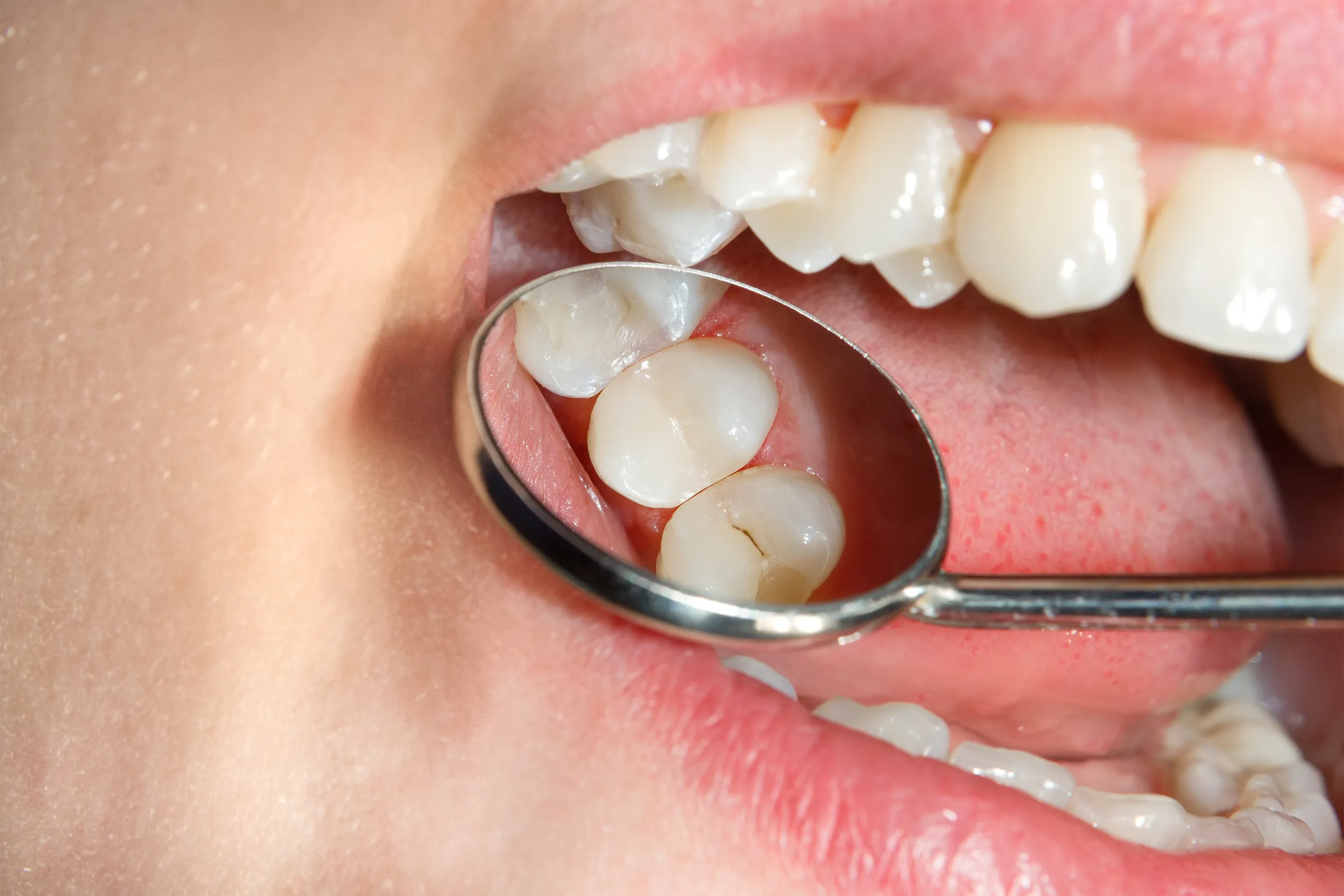
- Tooth-colored restoration Composite resin blends with the natural shade of your teeth for a seamless appearance.
- Preservation of tooth structure Modern materials allow dentists to remove less healthy tooth structure while restoring strength.
What happens during a dental filling procedure?
Getting a filling is typically a straightforward and comfortable visit. The dentist carefully removes the decayed portion of the tooth and restores the area with a durable composite material that bonds securely to the enamel.
- Local anesthesia to numb the tooth and surrounding area
- Removal of decayed or damaged tooth structure
- Cleaning and preparation of the cavity
- Placement of tooth-colored composite material in layers
- Hardening with a curing light followed by shaping and polishing
Benefits of tooth-colored composite fillings
Composite fillings have become a popular option because they combine strength with aesthetics. The material bonds directly to the tooth, helping reinforce the remaining structure while maintaining a natural look.
- Natural appearance The material matches the shade of surrounding teeth for a nearly invisible restoration.
- Strong and durable Modern composites provide reliable strength for everyday chewing.
- Conservative treatment Less healthy tooth structure may need to be removed compared with older metal fillings.
- Versatile restoration Fillings can repair cavities, small chips, and minor tooth damage.
How to care for your dental fillings
Maintaining good oral hygiene helps extend the life of your fillings and protect your teeth from future cavities. Brushing twice daily, flossing regularly, and attending routine dental check-ups all contribute to keeping your restorations functioning properly.
If you suspect you may have a cavity or have noticed tooth sensitivity, scheduling an exam can help determine whether a dental filling is needed to restore and protect your tooth.
Dental Fillings FAQ’s
- What is a dental filling?
- A dental filling is a restorative material used to repair a tooth after decay or minor damage. It fills the space where a cavity formed and restores the tooth’s shape and strength.
- How do I know if I need a filling?
- Common signs include tooth sensitivity, visible holes or dark spots, pain when chewing, or discomfort with hot or cold foods. A dental exam and X-rays can confirm whether a filling is needed.
- Are tooth-colored fillings durable?
- Yes. Modern composite fillings are designed to be strong and long-lasting while maintaining a natural appearance.
- Does getting a dental filling hurt?
- The procedure is typically comfortable because the area around the tooth is numbed with local anesthesia before treatment begins.
- How long do dental fillings last?
- The lifespan of a filling depends on factors such as oral hygiene, diet, and biting forces. Many composite fillings can last several years with proper care.
- Can fillings repair chipped teeth?
- Yes. Composite fillings can often be used to repair minor chips or fractures in addition to treating cavities.
- What happens if a cavity is not treated?
- Untreated cavities can continue to grow, eventually damaging deeper layers of the tooth and potentially leading to infection or the need for more extensive treatment.
- Can I eat after getting a filling?
- You can usually eat once the numbness wears off. Avoid very hard or sticky foods immediately after the procedure if your dentist recommends it.
- Will my filling look natural?
- Yes. Tooth-colored composite fillings are matched to the shade of your natural teeth, allowing them to blend in with your smile.
- How can I prevent cavities in the future?
- Maintaining good oral hygiene, limiting sugary foods and drinks, and attending regular dental exams and cleanings can help reduce your risk of future cavities.
